Book Appointment Now
What Exactly Is an IPTV Kastje?
My cousin bought his first iptv kastje three years ago, mostly because a neighbour swore it would replace his entire cable package for a fraction of the price. He wasn’t wrong about the savings. He was, however, completely unprepared for everything that came after.
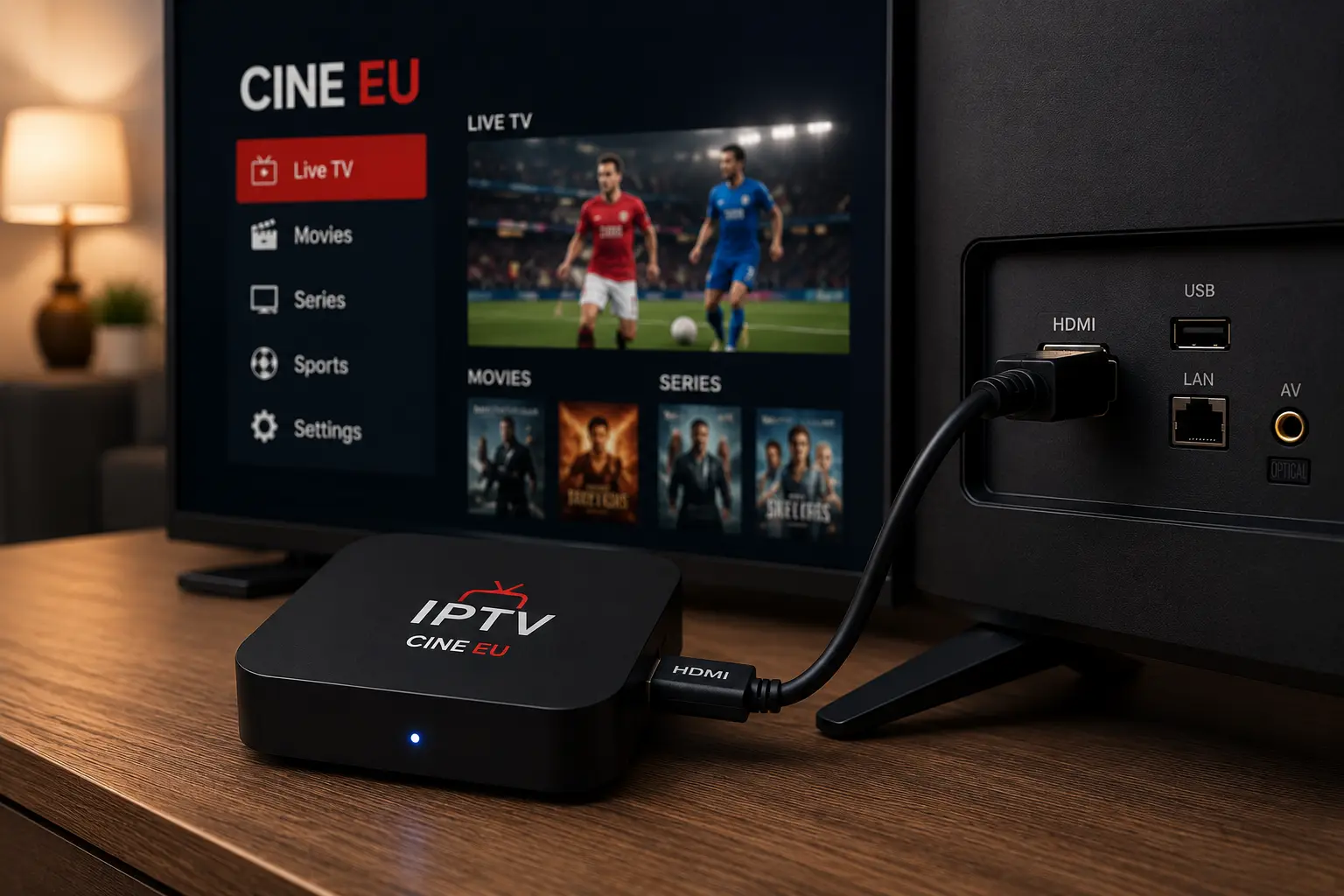
An iptv kastje is essentially a small streaming box that plugs into your television and pulls live channels, sports, and on-demand content through your internet connection rather than a satellite dish or cable line. It looks unremarkable, usually the size of a deck of cards, but it’s become one of the most talked about pieces of home entertainment hardware in the Netherlands and beyond. Ask around and you’ll find someone who owns one, knows someone who does, or has at least seen the ads on Marktplaats.
The appeal is obvious. One box, one subscription, thousands of channels from dozens of countries. Sports fans in particular have flocked to these devices because they promise access to leagues and matches that would otherwise require three or four separate subscriptions.
Why the IPTV Kastje Market Exploded Overnight
Streaming fatigue is real. Between Netflix, Disney Plus, Videoland, and whatever sports package you need this month, the average household is juggling more subscriptions than most people can even name. That frustration created fertile ground for a single device promising to consolidate everything.
Sellers noticed this frustration and moved fast. Facebook groups, Marktplaats listings, and word of mouth turned the iptv kastje into something of a cultural moment among cord cutters. Prices ranging from fifty to two hundred euros for the hardware, plus a modest monthly or annual fee, made the pitch nearly impossible to resist for budget conscious households.
Here’s a question worth sitting with for a moment: if something this convenient and this cheap were entirely above board, wouldn’t the big broadcasters already be offering it themselves?
That question matters more than it might seem, and we’ll come back to it.
The Legal Grey Zone Nobody Talks About
This is the part most sellers gloss over, and it’s the part you genuinely need to understand before spending a single euro. The hardware itself, the little box, is completely legal to own. Nobody is going to knock on your door for owning a piece of Android based streaming equipment.
The trouble starts with the content. Many iptv kastje services stream copyrighted broadcasts, including premium sports and pay television channels, without the proper licensing agreements in place. According to Consumentenbond, the Dutch consumer protection organisation, using these unauthorised streams can carry real legal and financial risk for the end user, not just the operator running the service.
Rights holders have also become far more aggressive about pursuing these networks. Tweakers has covered several enforcement actions across Europe targeting both the sellers of illegal IPTV services and, in some cases, the subscribers themselves. That’s not meant to scare you away entirely. It’s meant to make sure you go in with open eyes rather than someone else’s sales pitch ringing in your ears.
IPTV Kastje vs Traditional Cable: A Fair Comparison
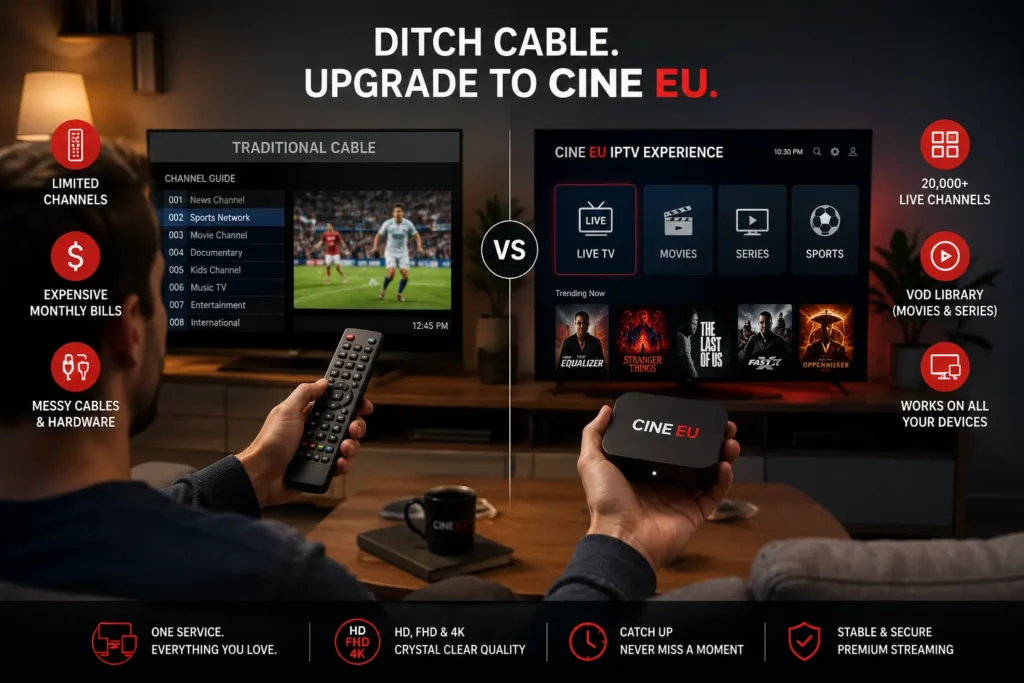
Let’s be fair to both sides here, because neither option is perfect.
| Factor | IPTV Kastje | Traditional Cable |
|---|---|---|
| Monthly cost | Often lower | Generally higher |
| Channel variety | Very high, often international | Regional, curated |
| Reliability | Depends on internet and provider | Generally stable |
| Legal clarity | Often murky | Fully licensed |
| Customer support | Inconsistent | Regulated and accountable |
| Setup complexity | Moderate | Minimal |
Traditional cable wins on peace of mind. You know exactly who to call when something breaks, and you’re not gambling on whether your provider disappears overnight. An iptv kastje wins on raw value and channel breadth, assuming everything works as promised, which brings us to the next section.
What to Look for Before You Buy an IPTV Kastje
If you’ve decided the trade offs are acceptable to you, and plenty of people do decide exactly that, there are still smart and less smart ways to go about it.
- Check how long the seller has been operating, not just how polished their website looks
- Ask about their refund policy before you pay, not after something breaks
- Look for reviews outside the seller’s own platform, ideally on independent forums
- Confirm whether the box uses a licensed streaming app or a generic sideloaded one
- Ask what happens if a channel goes down, since it will happen eventually
A rushed purchase is almost always a regretted one. Take the extra fifteen minutes to actually vet who you’re buying from.
how IPTV subscriptions actually work → iptv subscription
Setting Up Your Box: What Actually Happens
Setup is usually simpler than people expect, which is part of why the format has spread so quickly. You connect the iptv kastje to your television via HDMI, join it to your home Wi-Fi or a wired connection, and then activate a subscription code through an app that’s already preinstalled.
Most boxes run on Android, which means the interface will feel vaguely familiar if you’ve ever used an Android phone or tablet. Within ten to fifteen minutes, most users are watching live television. That speed is genuinely one of the format’s strongest selling points.
Where things get complicated is afterward, not during setup. Buffering during peak hours, especially during major football matches, is a common complaint. So is losing access to a channel with no warning and no explanation.
The Risks Sellers Won’t Mention
No seller’s landing page is going to lead with the downsides, so let’s talk about them honestly.
First, service reliability is never guaranteed. Unlike a licensed broadcaster bound by regulatory obligations, an unauthorized IPTV provider can vanish overnight, taking your remaining subscription months with it. Second, your payment details are being handed to an operator who may not be based in the EU and may not be subject to consumer protection law in any meaningful way.
Third, and this one surprises people, some boxes come preloaded with apps that request far more device permissions than they should. That’s not paranoia, it’s just good digital hygiene to be cautious about. Would you hand a stranger the keys to your home network without asking a single question first? Probably not, and yet that’s effectively what happens with poorly vetted hardware.
None of this means every iptv kastje seller is dishonest. Many operate for years without incident. But the format as a whole carries a level of uncertainty that traditional providers simply don’t.
Alternatives Worth Considering
If the legal ambiguity around an iptv kastje makes you uneasy, and it should give at least some people pause, there are middle ground options worth knowing about.
- Licensed IPTV provider that operate with proper broadcast agreements
- Bundled streaming packages from your existing internet provider
- A combination of two or three mainstream streaming platforms instead of one box
None of these fully replicate the sheer channel volume an iptv kastje offers. But they come with accountability, something that’s genuinely hard to put a price on once you’ve experienced a service disappearing without warning.
My Honest Verdict
I’ve spent enough time around this space to say plainly that an iptv kastje isn’t inherently a scam, and it isn’t inherently a smart purchase either. It depends entirely on who you buy from, how much research you’re willing to do beforehand, and how comfortable you are with a bit of legal ambiguity.
My cousin, three years on, is still using his. He’s had two outages, one refund dispute, and countless hours of football he wouldn’t have otherwise been able to watch. He’d tell you it was worth it. Someone else, with a worse experience, might tell you the exact opposite.
That’s really the honest takeaway here. Go in informed, not persuaded by a flashy Marktplaats listing, and you’ll make whatever decision is right for your household.
Frequently Asked Questions
Is buying an iptv kastje illegal in the Netherlands?
Owning the hardware itself is legal, since it’s just a streaming device similar to any other Android box. The legal risk comes from the content being streamed through it, particularly if it involves unlicensed broadcasts of copyrighted sports or premium channels. It’s worth understanding this distinction clearly before you buy.
How much does an iptv kastje typically cost?
Hardware prices generally range from fifty to two hundred euros depending on specifications, with an additional monthly or annual subscription fee for the channel service itself. Cheaper options exist but often come with less reliable support and shorter operating histories. Price alone shouldn’t be your main deciding factor.
Will an iptv kastje work with my current internet connection?
Most standard broadband connections in the Netherlands are sufficient, though a stable connection of at least twenty five Mbps is recommended for smooth high definition streaming. Wired connections tend to perform more reliably than Wi-Fi, especially during high demand events like major sports fixtures. Slower connections may experience frequent buffering.
What happens if my iptv kastje provider shuts down?
Unfortunately, there’s usually no formal recourse, since many of these providers operate outside standard consumer protection frameworks. This is one of the clearest risks of choosing an unlicensed service over a regulated broadcaster. Reading reviews and checking how long a provider has operated can help reduce this risk somewhat.
Are there safer alternatives to an iptv kastje?
Yes, licensed IPTV providers and bundled packages from established internet or television providers offer similar convenience with far more accountability. They typically cost more but come with proper customer support and legal clarity. It’s a reasonable trade off for anyone who prioritises reliability over savings.