Book Appointment Now
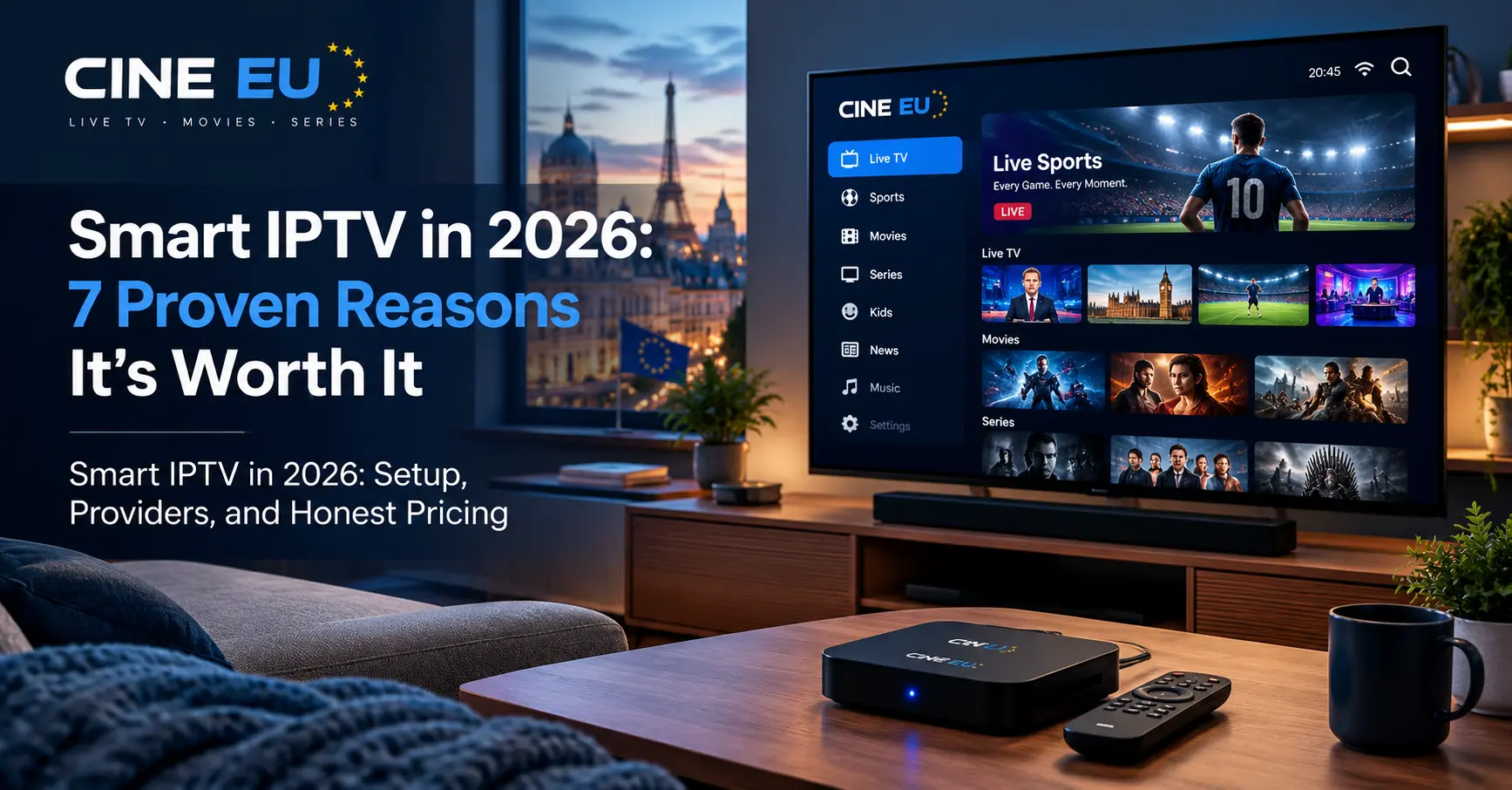
Smart IPTV in 2026: Setup, Providers, and Honest Pricing
I got a message last week from someone in Manchester asking, quite bluntly, whether smart IPTV was “actually a real thing or just a scam word people throw around.” Fair question. The term gets used so loosely these days that it’s lost some of its meaning, which is a shame because the underlying idea is genuinely useful.
Smart IPTV, at its core, is an application built specifically for Smart TVs and set top boxes that lets you stream live channels and on demand content through your internet connection rather than a satellite dish or cable box. It’s not magic. It’s not illegal by design. It’s a media player, nothing more, and how it’s used determines whether the experience is above board or not.
Here’s the thing that trips people up: the app doesn’t come with content baked in. You still need someone to supply that content, and that’s where confusion usually starts. So let’s actually untangle this properly, because there’s a lot of noise online and not much clarity.
The Three Things People Keep Mixing Up
Before anything else, three terms need separating, because most of the frustration I see online traces back to blending them together.
Smart IPTV, sometimes shortened to SIPTV, is the player. It’s the app sitting on your TV or box that displays channels and lets you navigate menus. IPTV, on the other hand, is the broader delivery technology, the method of sending television over the internet rather than through satellite or cable infrastructure.
The provider is the third piece, and it’s the one people forget most often. This is the business, whether a large scale iptv anbieter or a smaller iptv reseller, that actually supplies the playlist your player loads.
Think of it like a television set versus a broadcaster. Smart IPTV is the television. The provider is the broadcaster. Confusing the two is a bit like blaming your TV manufacturer for a channel going off air. Once that distinction sticks, the rest of this becomes far easier to follow.
Setting Up Smart IPTV Without Losing Your Mind
Setup varies slightly depending on your device and which version of the app you’re running, so treat what follows as the common pattern rather than a universal script. Most people overcomplicate this step regardless, so let me walk through the typical flow plainly.
- Install Smart IPTV from your TV’s app store, or sideload it if your device doesn’t support native installation
- Note the activation code or MAC address your specific version of the app generates
- Share those activation details with your chosen provider so they can authorise your device
- Load the playlist link or login credentials your provider supplies, commonly through an M3U URL or an Xtream Codes connection, depending on what that particular provider uses
- Restart the app and confirm channel categories populate correctly
That covers most of the typical process. Where people get stuck is usually the waiting period for provider authorisation, or a mistyped playlist link with an extra character nobody noticed.
A quick anecdote here. A client of ours in Bahawalpur once spent two days convinced his smart IPTV setup was broken, only for us to discover he’d been entering the playlist link with a trailing slash that shouldn’t have been there. Small thing, total headache. Always double check the exact string your provider gives you, and don’t assume every provider’s activation process looks identical.
Who Actually Supplies What You Watch
So who’s behind the playlist loaded into your smart IPTV app? Usually one of two setups: a large iptv anbieter running its own backend infrastructure, or an iptv reseller who buys access to that same infrastructure and sells it under separate branding.
Does that make a reseller somehow lesser? Not necessarily. A well run iptv reseller often provides faster, more personal support than a massive anbieter juggling tens of thousands of accounts.
The trade-off is consistency. Some resellers run tight operations with genuine server capacity behind them. Others are little more than a rebranded storefront reselling the same credits with no real support structure of their own.
| What you’re buying from | What tends to differ |
|---|---|
| A direct iptv anbieter | Larger scale, but slower ticket response times |
| An iptv reseller | Smaller team, often faster and more personal support |
| Either option | Quality depends entirely on that specific business, not the model itself |
The honest takeaway is that neither structure guarantees quality on its own. What matters is whether the specific anbieter or reseller you choose actually invests in infrastructure and support, not which label sits above their pricing page.
What Makes the Best IPTV Subscription in 2026
I get asked constantly what the best iptv subscription actually looks like this year, and I’ll be straight with you, there’s no single universal answer. What counts as the best iptv subscription for a sports obsessed household looks different from what suits someone who mainly wants stable background news channels.
That said, a few markers consistently separate reliable services from shaky ones:
- Server uptime history, ideally something you can verify through a trial rather than just the provider’s own claims
- Number of simultaneous connections allowed, particularly if multiple people in the household will watch at once
- Genuine video quality, rather than resolution labels that don’t match what actually streams
- Responsiveness of customer support, tested before you pay rather than after
- A trial period long enough to judge real world stability, ideally beyond a few hours
The best iptv subscription, in my experience working through infrastructure conversations with clients regularly, is rarely the cheapest one. It’s the one where server capacity genuinely matches the subscriber base, rather than overselling connections and hoping nobody notices the buffering during peak hours.
Why Iptv Kaufen Prices Vary So Much
If you’re searching for iptv kaufen options, which simply means buying IPTV in German, you’ll notice pricing swings quite a bit between providers. That gap usually comes down to infrastructure investment rather than arbitrary markup.
Servers, bandwidth, and content delivery all cost money, and providers cutting corners there tend to show it through buffering exactly when demand peaks. So instead of anchoring your iptv kaufen decision to a specific price point, anchor it to transparency. Does the provider clearly explain what’s licensed? Do they answer questions about their infrastructure honestly, or dodge them?
Not every affordable iptv kaufen deal is a scam, and not every expensive one is legitimate. Price alone tells you very little on its own. What actually separates trustworthy providers from questionable ones is how openly they discuss licensing, server capacity, and support processes when you ask directly.
comparing IPTV pricing tiers and what they actually include → / iptv pricing
Common Mistakes First Time Buyers Make
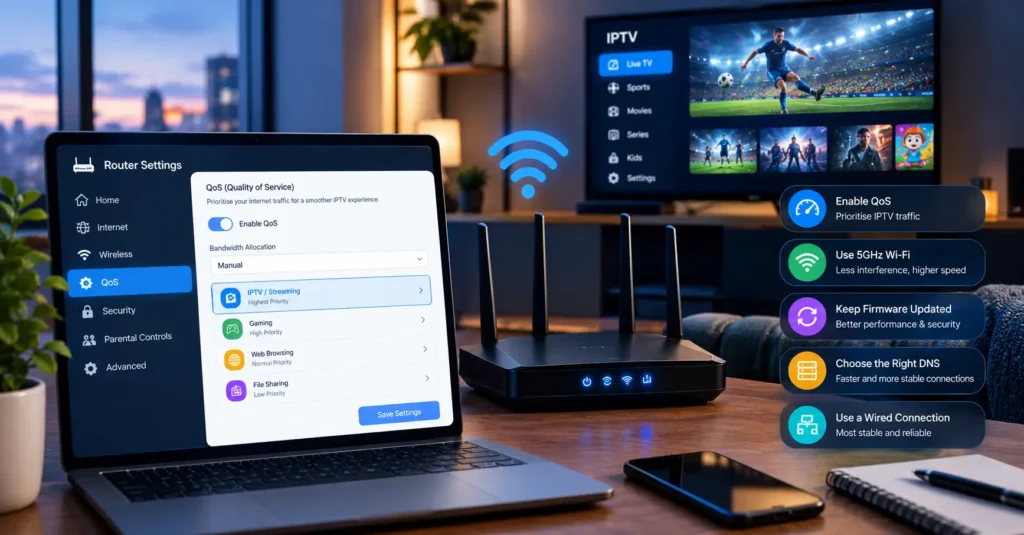
Most frustration I see from new users traces back to a handful of repeated mistakes rather than genuinely bad luck. Skipping the trial period is probably the biggest one, since it means committing money before confirming the service performs on your specific network.
Another common misstep is ignoring router configuration entirely. IPTV, smart or otherwise, depends heavily on stable internet, and a router struggling with basic quality of service settings will cause dropouts no provider can fix from their end.
People also underestimate how much device compatibility matters. Smart IPTV works well on supported Samsung and LG models, but forcing it onto unsupported hardware through workarounds often produces a shakier experience than just using a dedicated Android box designed for it.
And finally, plenty of buyers never test multiple connections simultaneously before assuming their plan supports it properly. If your subscription claims two connections, test both at once early, not three months in when someone else in the household wants to watch something different.
Where Smart IPTV Is Heading Next
Where does this all go from here? Based on what we’re seeing across client infrastructure conversations, the direction is toward tighter integration with catch up content and smarter electronic programme guide systems, rather than just raw channel lists dumped into a menu.
Regulatory attention around IPTV licensing has also increased steadily in recent years, and that pressure seems to be pushing legitimate providers toward clearer licensing practices rather than away from the technology itself. That’s probably a healthy correction for an industry that grew quickly without always growing carefully.
Smart IPTV as a player isn’t going anywhere soon. It’s stable, well maintained, and genuinely useful once paired with a provider that takes infrastructure and licensing seriously. The bigger shifts will happen on the provider and reseller side, not within the app itself.
If you’re weighing whether now’s the right time to get into this, whether as a subscriber or as someone considering the iptv reseller side of things, the fundamentals haven’t changed much. Good infrastructure and honest licensing practices still win out over flashy marketing every time.
Frequently Asked Questions
Is smart IPTV legal to use?
The app itself is completely legal since it’s simply a media player available through official app stores in most cases. Legality depends entirely on whether the content streamed through it comes from properly licensed sources. Always check your provider’s licensing transparency rather than assuming based on price or popularity.
What’s the difference between an iptv anbieter and an iptv reseller?
An iptv anbieter typically runs its own backend infrastructure at larger scale, while a reseller purchases access to that infrastructure and resells it under separate branding. Both can offer quality service, though support responsiveness often varies more with smaller resellers. Neither structure alone guarantees reliability, so the specific business matters more than the label.
How do I know I’m getting the best iptv subscription for my needs?
Focus on documented uptime, a genuine trial period, and connection limits that match your household rather than marketing claims alone. The best iptv subscription for a single viewer looks different from one suited to a family streaming across multiple devices at once. Testing during peak hours before committing long term remains the most reliable indicator.
Why do iptv kaufen prices vary so dramatically between providers?
Pricing differences usually reflect real infrastructure costs, including server capacity, bandwidth, and licensing. A very affordable iptv kaufen offer sometimes means oversold servers, though not always, so checking trial performance and licensing transparency matters more than price alone. Providers willing to explain their setup openly tend to be more trustworthy than those who avoid the question.
Does smart IPTV work on all Smart TVs?
It works natively on most Samsung and LG models, with broader compatibility available through Android boxes, Fire Stick devices, and similar hardware. Forcing installation onto unsupported TV brands through workarounds tends to produce a less stable experience. Checking official compatibility lists before buying a subscription avoids unnecessary frustration later.